
Here is our selection of essential gear to start and grow your ant colony. We’ve organised this page by category to help you build up your setup step by step.
To get started: founding
The minimum gear to house your first queen and start a colony.
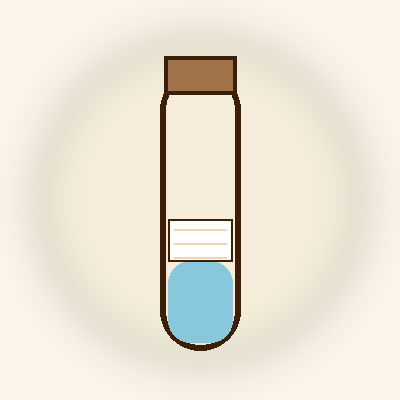
Glass test tubes 16x150mm (pack of 10)
The standard size for any colony founding. Thick glass, sturdy rims. No need to invest in anything bigger.
Carded cotton wool in sheets
For the wet and dry plugs of the test tube. Choose natural, unscented cotton in sheets rather than balls.
Soft plastic tweezers
Essential for handling queens without any risk of crushing. Use gently.
Escape barrier: non-negotiable
Without an escape barrier, your ants will be roaming your home within days. Two proven solutions:
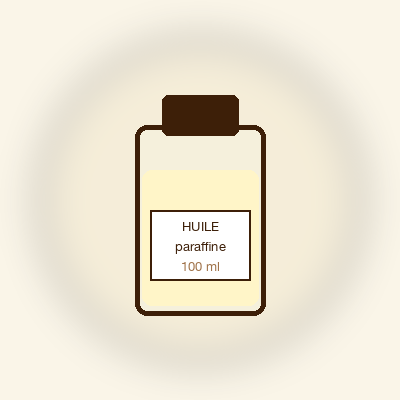
Pharmaceutical paraffin oil 100ml
The classic escape barrier for outworlds. Apply a thin strip along the top of the inner walls. Very effective for species larger than 3 mm.
Liquid PTFE (Fluon) escape barrier
The escape barrier for tiny species (Tetramorium, Solenopsis fugax). Brush it along the top of the walls, let dry 30 minutes. PTFE forms a slippery film ants cannot climb — it does not kill them.
Habitat: the nest
Once your colony passes 30-50 workers, it’s time to move to a real nest. Several options depending on your budget and preferences.
Ytong (aerated concrete) block 60x20x7cm
The go-to material of amateur myrmecology. Light, insulating, easy to carve with a knife. Enough to make 2-3 nests.
Fine modelling plaster
The great classic for casting your own custom nest. Very cheap, excellent at holding humidity.
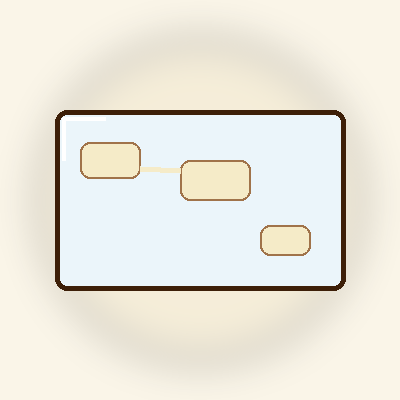
Transparent acrylic ant nest
For those who want to see everything: an acrylic nest with chambers, galleries and a built-in outworld connection. Sold by specialist myrmecology suppliers.
Outworld (foraging area)
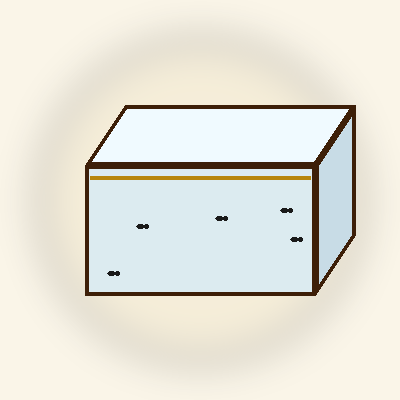
Transparent plastic box 20x15cm with lid
The standard container for an outworld, with a lid for ventilation. Cheap and adaptable.
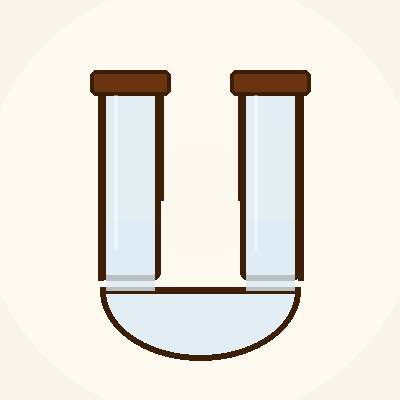
Soft silicone connection tubes 8mm
To link the nest, outworld and founding tubes. Cut to the length you need.
Measuring and observation
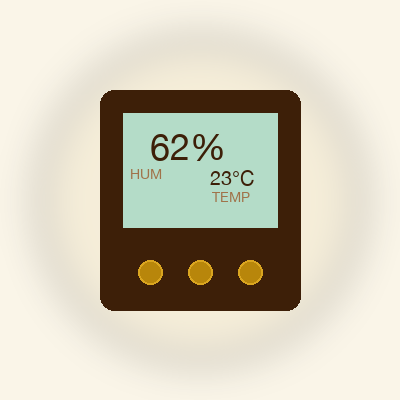
Precision digital hygrometer
Measures humidity and temperature. Essential for tracking nest conditions and adapting to each species.
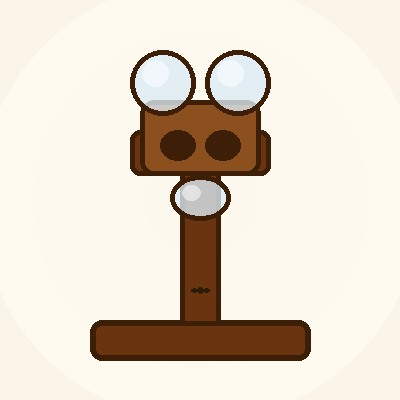
Magnifying loupe 10x-30x
To observe colony details, eggs and larvae. Ideal for tiny species.
Feeding
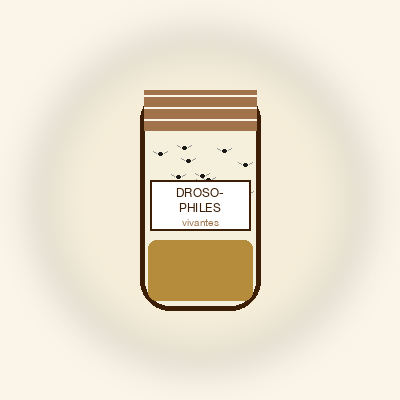
Fruit fly (drosophila) breeding kit
Breeding tube + nutritive medium to produce your own fruit flies. A sustainable, cheap protein source.
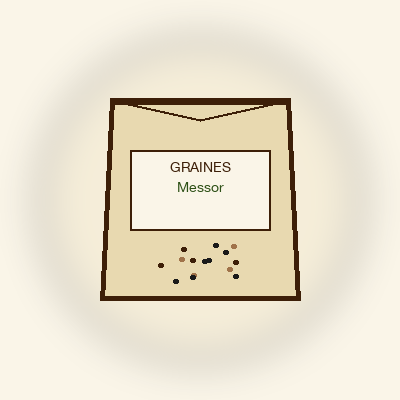
Seed mix for Messor harvester ants
A balanced selection of small seeds (poppy, chia, flax, sesame) suited to harvester ants.
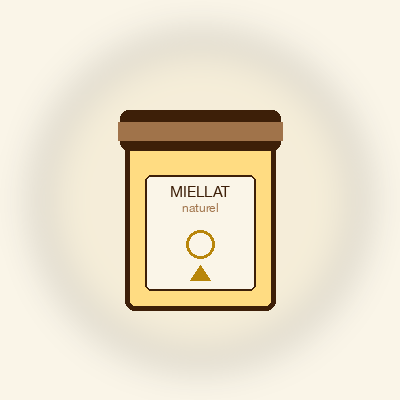
Pure natural honeydew for ants 250g
The natural sugary food ants love most. A single bottle lasts for years. Sold by specialist myrmecology suppliers.
Climate control (specific species)
For tropical or desert species only.
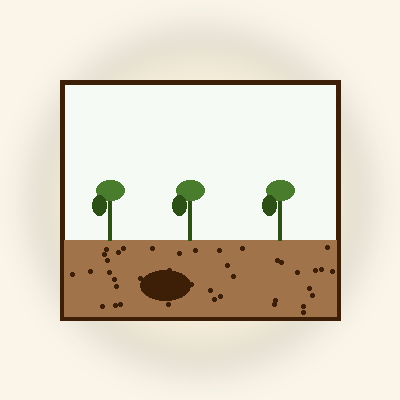
Terrarium heat mat 14W
To create a warm spot under the nest (Mediterranean, tropical species). Adjustable with a separate thermostat.
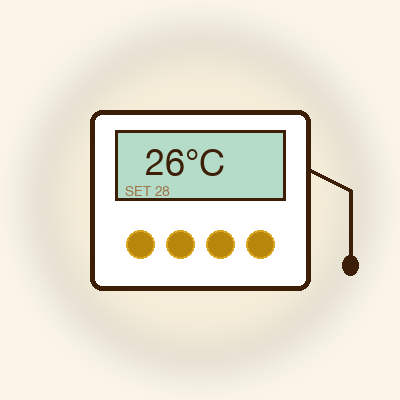
Programmable digital thermostat with probe
To control the heat mat and keep a stable temperature. Digital display.
Don’t over-equip yourself from the start. For a first Lasius or Messor colony, for 6-12 months you’ll only need: test tubes, cotton, tweezers, and later a small plastic box for an outworld. The initial investment is minimal (£15-25 / $20-30).
Note: the links above are affiliate links. We earn a small commission on qualifying purchases, at no extra cost to you. This supports the site’s development and independent content.
Leave a Reply