
Nest humidity is one of the most critical parameters in ant keeping. Too dry and the larvae die. Too humid and the nest moulds. Here’s how to find the balance for your species.
Why humidity is vital
Ants are arthropods sensitive to dehydration, especially the eggs, larvae and pupae, which depend entirely on the nest’s ambient humidity. In the wild, they regulate it by:
- Digging deeper to reach moister layers
- Moving the brood to the most suitable chambers
- Carrying water via trophallaxis
In captivity, you have to recreate these conditions artificially.
The right levels by species
| Type of species | Ideal humidity |
|---|---|
| Mediterranean / desert species (Messor, Cataglyphis) | 30-50% |
| Temperate garden species (Lasius, Tetramorium) | 40-60% |
| Forest / damp-soil species (Myrmica, Aphaenogaster) | 60-75% |
| Tropical species (Atta, Camponotus maculatus) | 70-90% |
Measuring humidity
The eye isn’t enough. Invest in a digital hygrometer (£10-20 / $15-25) that measures relative humidity inside the nest. Place the probe near the brood, that’s where the reading matters.
Failing that, watch the ants’ behaviour. If they constantly move the brood toward the dampest corner, the nest is too dry. If they desert an area and abandon mouldy larvae, it’s too humid.
Humidification methods
Plaster nest
Plaster is porous: moisten it regularly (every 1-2 weeks) by pouring a little water into the dedicated reservoir, or by watering the wet zone with a syringe. The plaster releases the water gradually.
Ytong (aerated concrete) nest
Same as plaster: the material is very porous and holds humidity well. Moisten every 2-3 weeks.
Acrylic nest
Since acrylic is waterproof, the humidity must come from a dedicated chamber lined with wet cotton or a separate reservoir. Watch it closely, acrylic dries fast.
Test tube (founding)
The water held by the cotton wool behind the plug is enough for 2-4 months. Visually check that the cotton stays wet (dark colour).
A too-humid nest + food scraps = mould. If you see fluffy white or black spots, dry it out immediately, remove the waste and resume more moderately. Untreated mould can destroy the whole colony in a few weeks.
Special cases
For tropical species (Atta, Camponotus maculatus), an ultrasonic humidifier or an automatic misting system becomes necessary, because the required levels (80-95%) are hard to maintain by hand.
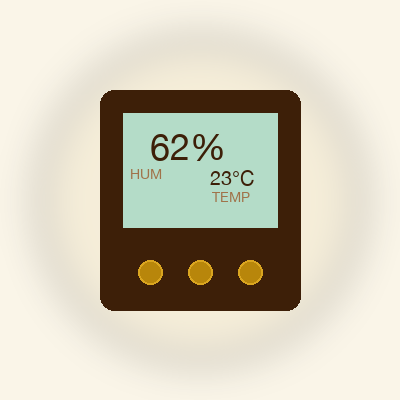
Precision digital hygrometer
Measures relative humidity + temperature. Essential for tracking nest conditions.
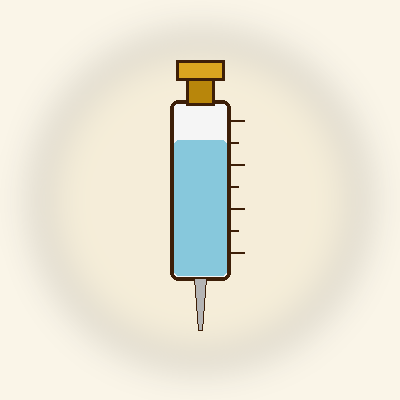
30ml syringe for humidification
To moisten the nest precisely without getting water everywhere.
Leave a Reply