The outworld (also called the arena or foraging area) is the space where ants come to look for food and leave the nest. It’s also where you place dead insects, fruit and sugary solutions. Its design is crucial.
Dimensions by colony size
- Small colony (50-300): outworld 10-15 cm across
- Medium (300-1500): outworld 20-25 cm across
- Large (1500-5000): outworld 30-40 cm across
- Very large (5000+): outworld 50 cm or more, even a double outworld
Material
Several options for the container:
- Transparent plastic box: the simplest, custom dimensions, cheap
- Small glass terrarium: more attractive, heavier
- A bowl or round box: for founding colonies
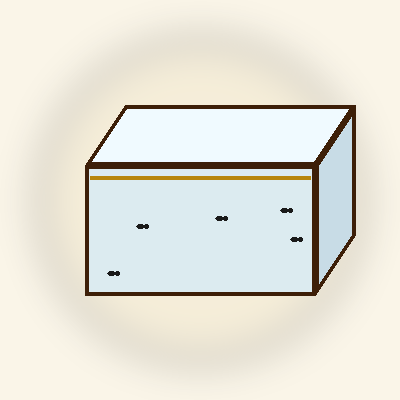
Plastic box 20x15cm with lid
The standard container for an outworld. Transparent, sealed, cheap.
Escape barrier: THE critical point
Without an escape barrier, your ants will be all over the house in a few days. Two proven methods:
Method 1: paraffin oil
Apply a thin strip of paraffin oil (liquid petrolatum) to the top 3-5 cm of the inner walls of the outworld. The ants slip on it and can no longer climb. Renew every 1-2 months.
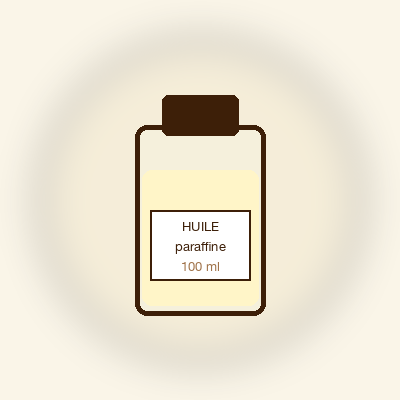
Paraffin oil 100ml
The classic, reliable escape barrier for outworlds. A small bottle lasts for years.
Method 2: Fluon (PTFE)
Fluon is a suspension of PTFE particles that forms a fine powdery layer the ants can’t grip. Brush or dab it on. Very effective even for tiny species.
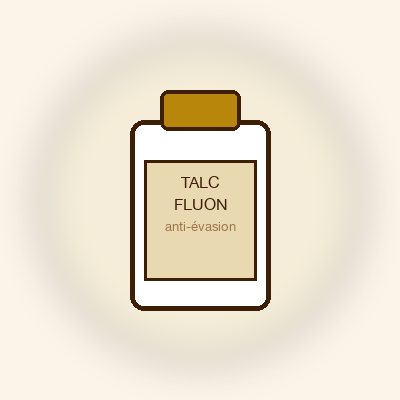
Fluon PTFE for ants 50ml
The ultimate escape barrier for small species (Tetramorium, Solenopsis). Brush on, dry 30 min.
The connection to the nest
The nest connects to the outworld via a soft hose 6-10 mm in diameter, fixed with mounting putty or a plastic fitting. A few precautions:
- The shortest hose possible (10-20 cm ideal)
- Avoid tight bends (ants struggle through them)
- Check the seals at the joints
Interior layout
The outworld should contain:
- A food zone (a small lid or glass plate where you place the food)
- A water source (a small pot with wet cotton or water gel)
- Optional: flat stones, branches for aesthetics and enrichment
Reserve 1/3 of the outworld with no decoration: that’s where you’ll clean up waste and place food. An overcrowded outworld becomes hard to maintain.
Ventilation
The lid must allow ventilation without letting ants through. Solutions:
- A fine mesh glued over an opening in the lid
- Tulle or fine fabric (mesh < 0.5 mm) fixed under the lid
- Holes melted with a hot iron (small, 0.5 mm) if no mesh is available
Maintenance
Once a week:
- Remove waste and food remains (use dissection tweezers)
- Check the escape barrier (renew if needed)
- Clean the “dump” zone the ants naturally develop
Leave a Reply